
January days are around 2°C and nights around -4°C, according to long-term climate averages.
July brings about 29°C by day and 17°C at night. In heatwaves temperatures exceed 35°C.
A cold winter with snow, a green spring, a hot sunny summer and a pleasant autumn that cools in November.
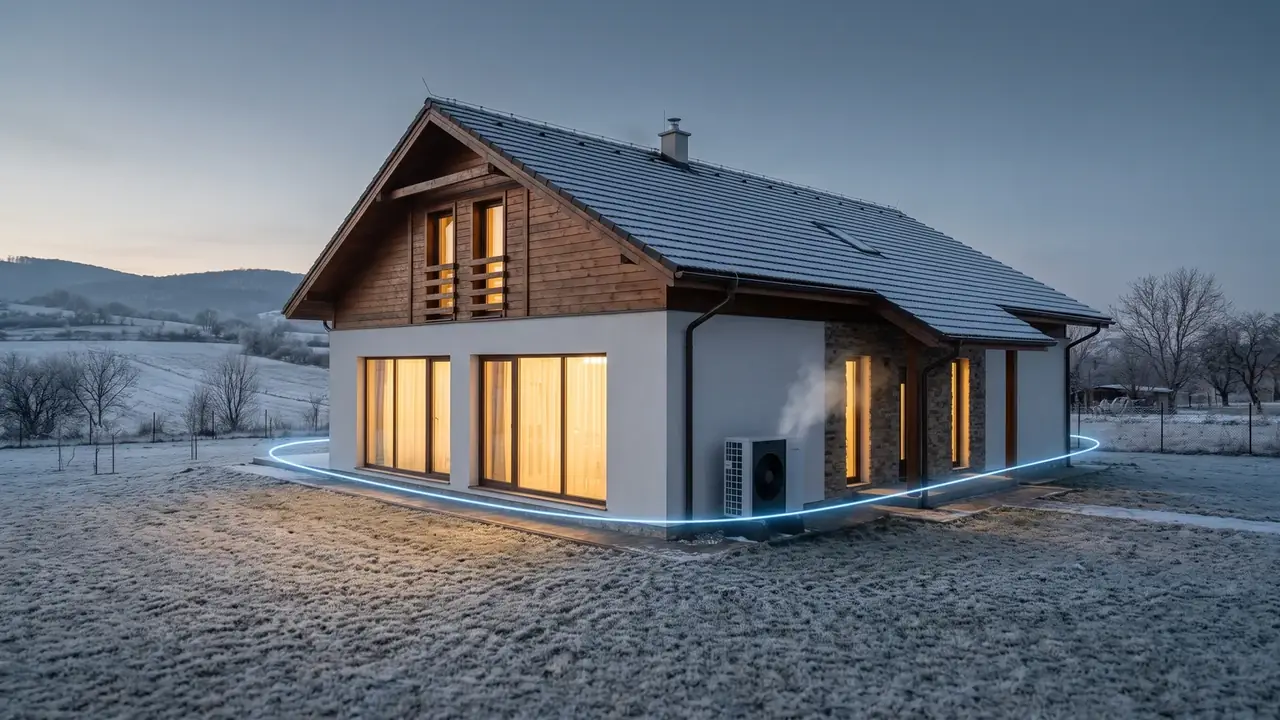
Envelope insulation, quality windows, underfloor heating, air conditioning in every room and an energy certificate.
May–June and September–October suit viewings. A second winter visit shows how the house holds heat.
What is the weather like in Bucharest through the year?
Bucharest has a continental climate with four distinct seasons: a cold winter with snowy days and a hot, sunny summer. According to Weather Spark's long-term climate averages, January days are around 2°C and nights around -4°C, while July days reach about 29°C and nights about 17°C. The most pleasant seasons to visit are late spring and early autumn.
"Moti, it's cold there in winter, isn't it?" Yes. And that is exactly why the weather is not a holiday question, but a question about the house. Israelis are used to homes built for summer. In Bucharest a home has to work well in January, when it is below zero outside, and in July, when it is thirty degrees and more.
Bucharest season by season: what to expect
| Season | Months | How it feels | What it means if you come to view property |
|---|---|---|---|
| Winter | December–February | Cold, short days, snow on some days | The time to check heating, insulation and damp |
| Spring | March–May | Warms quickly, green, occasional rain | A comfortable season for viewings; gardens come alive |
| Summer | June–August | Hot and sunny, heatwaves above 35°C | The time to check air conditioning, shading and window orientation |
| Autumn | September–November | Pleasant at first, cooling in November | A comfortable season for viewings; long days in September |
The temperatures above are based on Weather Spark's climate averages for Bucharest. The big difference from Israel is not only temperature: in Bucharest precipitation falls throughout the year, summer included, not only in winter.
Winter in Bucharest: cold, but managed
Winter is the season that worries Israelis, and there is indeed something to prepare for:
- Temperatures around zero, and below on cold nights. In cold spells it drops further.
- Snow, on some winter days, sometimes in amounts that stop traffic for hours.
- Short days and greyer skies.
In a city prepared for winter, winter doesn't stop life. Main roads are cleared, schools operate and homes are heated. The difference lies in the house itself: a well-insulated home with underfloor heating feels completely different from an older building with weak radiators.
Summer in Bucharest: hotter than you think
Many Israelis are surprised to find that Bucharest summers are hot. Days of 30°C and more are normal in July and August, and in heatwaves temperatures go above 35°C.
At such times Romania's National Meteorological Administration (ANM) issues yellow, orange and red code warnings. The difference from Israel: humidity is usually lower than on the coastal plain, and nights cool down.
So air conditioning in Bucharest is not a luxury. In good-quality new construction, air conditioning in every room is part of the specification.
What the climate means for the home you buy
When you assess a property in Bucharest or the suburbs, check what the climate demands:
- Envelope insulation. Insulated walls and roof save heating in winter and cooling in summer.
- Windows. Double or triple glazing and good frames are the first line of defence against cold and noise.
- Heating system. Underfloor heating gives even, comfortable warmth. In older city-centre buildings, check how the building is heated.
- Air conditioning. Make sure there is air conditioning in every room, not just the living room.
- Energy performance certificate. In Romania, under Law 372/2005 on the energy performance of buildings and in line with EU rules, a certificate with an energy rating is required in a sale. Ask for it.
In our project in Balotești we designed the villas around the full Romanian year: REHAU windows, underfloor heating and full air conditioning. For the technical side, read our guide to energy-efficient homes in Romania, and for running costs, our guide to a villa's annual upkeep costs.
The weather is not a holiday question, but a question about the house.
Weather and the construction schedule
If you are buying new construction, there is one more thing to know: building is affected by the seasons too. In frost, some concrete and exterior finishing work goes more slowly or is pushed to spring, so serious developers build their schedule around winter.
When you check a handover date, ask how it accounts for winter. A good answer comes in stages: what is done outside before the cold, and what is done inside during the winter months. On the differences between buying off-plan and buying a finished property, read our guide to off-plan versus ready homes.
When is the best time to come and view property
If you are planning one viewing trip, my recommendation is May–June or September–October. Pleasant weather, long days, and gardens that look the way they do for most of the year.
But if you are serious, there is also a case for a second visit in winter. In January you see things you don't see in May: how the house holds heat, what the road looks like in snow, and whether there is mould in the corners. Ask to see last winter's heating bills when you buy a resale property.
And before you fly, read our guide to flights from Israel to Bucharest.
Does the climate suit an Israeli family?
In my experience, most families adapt quickly, and the children are usually first. Winter offers something Israel doesn't: snow in the garden, ice skating and seasons you can feel. Summer is long and suits outdoor life, lakes and parks.
What makes the difference is the house. An insulated, heated and air-conditioned home turns winter from an obstacle into a season.
Frequently asked questions
How cold is Bucharest in winter?
According to climate averages, January days are around 2°C and nights around -4°C. In cold spells it drops further, and it snows on some winter days.
How hot is Bucharest in summer?
In July the average is about 29°C by day and about 17°C at night. In heatwaves temperatures exceed 35°C, and ANM issues heat warnings.
When is the best time to visit Bucharest?
May–June and September–October are the most pleasant months for visits and property viewings: moderately warm, long days and fewer extremes.
Does it snow in Bucharest?
Yes, on some winter days, usually between December and February. Amounts vary from year to year, and snow sometimes disrupts traffic for a short time.
What heating suits a home in Bucharest?
In a new home, underfloor heating combined with good insulation and quality windows is the comfortable and economical solution. In an older building, check the building's heating system and its winter bills.
The bottom line
Bucharest is a city of four real seasons: a cold winter and a hot summer. That is not a drawback; it is a design brief, and the home you buy has to meet it.
If you want to see how a villa works in the Romanian winter, book a half-hour call with me. We'll talk about heating, insulation and air conditioning, and about the right season to come and see.
Moti Azulay, Compass Group Romania
Sources and data: Romania's National Meteorological Administration (ANM) · Weather Spark, Bucharest climate averages · Law 372/2005, Romanian legislation portal · European Commission, energy
This article is for general information only. Climate figures are long-term averages, and actual weather varies from year to year. Before travelling, check the forecast and ANM warnings.
Now you know more.
This article is general information, not legal, tax or financial advice. Consult local professionals before any transaction.