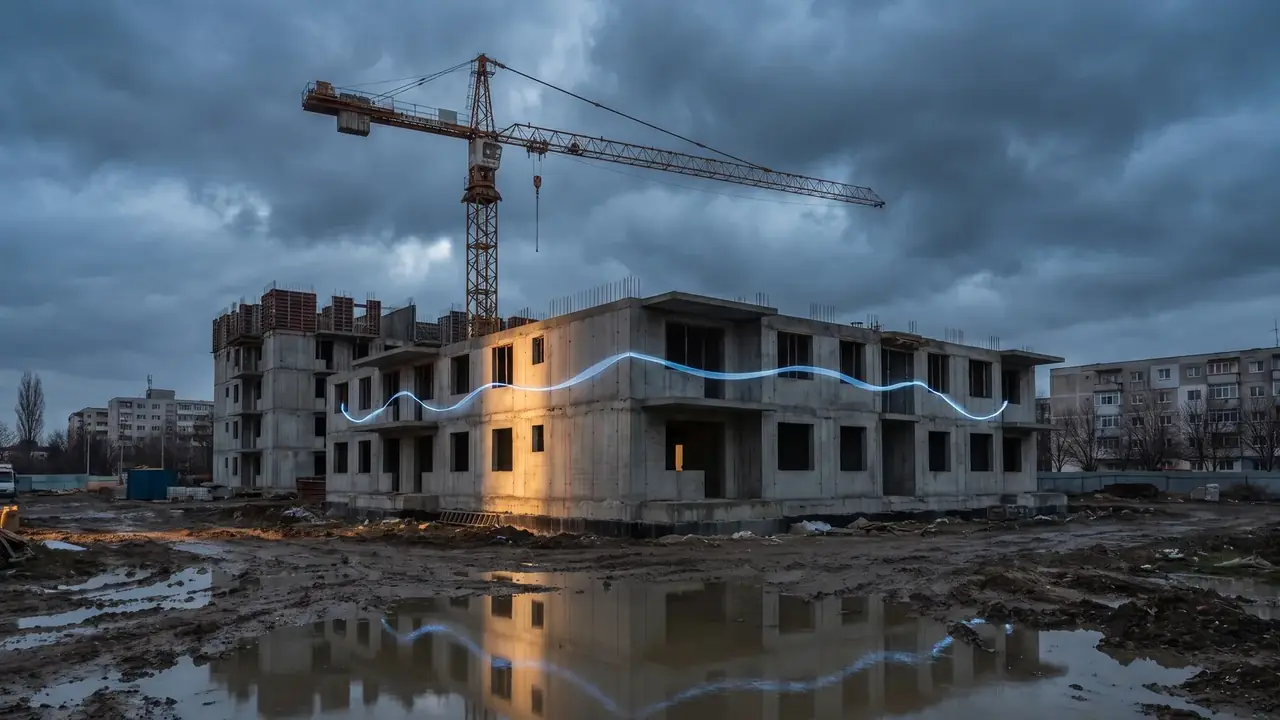
The short answer is no. Prices per square meter have grown steadily, yet remain only halfway to the pre-crisis peak of 2008.
A freeze on new building permits, a structural housing shortage fed by migration to the capital, and the state-backed Prima Casa programme.
People aged 18 to 45 make up over 60% of Bucharest's population, many trained in programming, digital and finance.
Past losses came from herd buying of farmland on rumours. Today most buyers purchase a home registered in their name.
Complexes of up to 50 houses tend to have a higher finish and fill faster than huge projects handing over hundreds of homes at once.
We met attorney Ilan Leibovitch from the Leibovitch& Co. office, who has an experience of over 20 years in accompanying leading real estate entrepreneurs and investors abroad for a personal and practical interview focusing on investments in Bucharest, Romania, and learned everything investors need (and must) know about real estate investments in Bucharest
Considering the global cost of living, the ongoing war in Ukraine, interest rate changes and increasing inflation, the real estate market suffers from fluctuations and instability. The financing and raw materials costs are both increasing, both affecting the final the construction costs.
Real estate investors will often look for opportunities in a growing market, willing to chance moderate risksand find anchorsthat predict their future. In order to make sense of this complex matter we sat with attorney Ilan Leibovitch, a veteran and experienced expert in accompanying overseas entrepreneurs and investors for over 20 years, who previously served as a member of the Israeli Parliament (the 16th Knesset).
Our conversation aimed to examine and study the opportunities in the real estate market in Bucharest, Romania while striving to find anchors and concrete opportunities in the market in 2023. We sat down and asked the most pressing questions, helping you will decide whether Bucharest is on the way to a crisis or an excellent long-term investment.
Is the Romanian real estate market headed for a replay of the crisis in 2008?
The short answer is no. The long and detailed answer is the opposite, the Romanian real estate market has been regularly growing in terms of price per square meter despite and thanks to the Corona crisis, the war in Ukraine and the global cost of living. Today the price per square meter is halfway to the pre-crisis peak in 2008. Our firm and real estate entrepreneurs (local and international), investors and global high-tech companies along the top 5 accounting firms and international banks (in the USA and Europe) recognize the opportunity and expand the activity and investment in the Romanian market along the strategic investments of the Romanian government (Internet infrastructure, transport and medicine).
What makes the Romanian market immune to global economic trends?
There is no market in the world that is immune to global trends. The Romanian real estate market is also feeling the global trends, yet demand for housing in Bucharest remains strong.
This demand rests on several factors:
- In the past two years, the mayor of Bucharest has frozen the issuance of new construction permits, which has resulted in a decrease in construction starts and created an increase in demand.
- The natural population growth and the internal migration to Bucharest created a structural housing shortage in Bucharest.
- The government program ‘Prima Casa’ (tax benefit and state-guaranteed mortgages for first-time home buyers) initiated starting in 2015, is gaining momentum. We recognize an increase in real estate entrepreneurs for this product.
What causes the Romanian market growth during this period?
It is possible to identify trends and opportunities in the Romanian market due the fact that the European Union has directed funds to it, along the changing structure of the power relations in the local population. Today the young population (18-45) segment in Bucharest account for over 60% of the total population, a fact that changes the rules of the game in the economic aspect. That is, today a hard-working UBER driver will earn about 3k euros per month, an entry level software programmer will earn about 3.000 euros per month compared to the adult population (46-67) segment which accounts for about 20% of the total population most of which work in the public sector and earn about 1k euros per month.
The younger generation invests in Western professional studies (programming, digital, and finance) alongside the entry of global high-tech companies with performance centers (Oracle, HP, Amazon, Apple, etc.), remote digital work options, as well as investments and work opportunities in the growing tourism market through AIRBNB.
There is no market in the world that is immune to global trends.
The cost of living in Bucharest is currently low priced compared toEurope and enables a high standard of living for the younger generation. On average, a young family will earn about 3-4k Euros per month, housing rent/mortgage: about 800 Euros per month, so they have free money left for savings and higher standard of living.
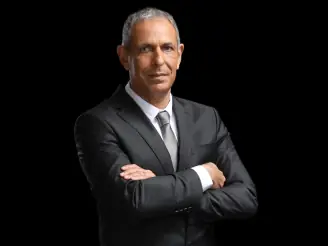
Adv. Ilan Leibovitz, Leibovitz & Co. International real estate law firm. Photo: PR.

Adv. Ilan Leibovitch & Co. International real estate law firm. Photo: PR.
There are many among international real estate investors that have lost significant amounts of money following their investment in Romania, how does this relate to the situation you are describing?
In the past, the Israeli investors operated as part of the herd phenomenon of purchasing agricultural land in the periphery based on urban legends of building another airport or building an automobile plant. Today, most investors purchase an apartment or house and have them registered as their owner in the Romanian Land Registry.
An apartment or house is a tangible asset, registered in the buyer's name and used as a home, with real demand from families and tenants. That makes it a completely different investment from trading in agricultural land.
What types of investments are recommended today for the foreign investor?
The Romanian market offers a wide variety of investment types through international and local entrepreneurs in different areas of the city. We recognize a growing post-corona trend of an influx of young families to private houses with a garden in the suburbs of the city (about a 20-minute drive from the city center).In these areas the young couples find the outdoors, spaces, gardens, international schools, leisure and shopping centers and more. Also, some of them continue the habit of working from home and therefore need a larger house than the common 2-room apartment in the city center.Others enjoy a better quality of life without traffic jams on the way to work in a high-tech area. We find that the investments in private houses in the periphery is attractive and stable from a long-term perspective, for example in the Pipera high-tech park area (the park employs tens of thousands of high-tech workers) or in the airport area for an attractive and stable area for investment.
The villas prices in these areas will usually range between 150-200k euros depending on the level of finish, the size of the villa and that of the plot on which it is built. In our experience, small projects (a complex of up to 50 private houses) will have a higher level of finish and will be inhabited faster compared to huge projects of hundreds of housing units, which will have a standard level of finish and at the time of delivery of the houses, a large amount of houses will be delivered at the same time, thus creating a supply load and damage to the rental price. The average rent or such houses will vary between 800-1000 euros per month.
Frequently asked questions
Is the Bucharest property market heading for a 2008-style crisis?
According to attorney Ilan Leibovitch, the short answer is no. The price per square meter in Romania has grown steadily year after year, and today it is only halfway to the peak it reached before the 2008 crisis.
What pushed Bucharest housing prices up?
The article names three drivers: a freeze on new building permits in Bucharest, a structural housing shortage caused by population growth and internal migration, and the government's Prima Casa programme for first-time buyers. EU funds and the arrival of global tech companies also support demand.
Why did some foreign investors lose money in Romania in the past?
Many bought agricultural land in the periphery on the strength of rumours about a new airport or a car factory. Today most investors buy an apartment or a house that is registered in their name in the Romanian Land Registry, which is a completely different kind of investment.
What kind of property do buyers look for in Bucharest today?
The interview points to young families moving to private houses with a garden in the suburbs, about 20 minutes from the city centre, for example around the Pipera tech park or the airport. Small projects of up to 50 houses tend to have a higher level of finish and fill up faster.
How much does a villa in the Bucharest suburbs cost?
According to the article, villa prices in these areas usually range between €150,000 and €200,000. The price depends on the level of finish, the size of the villa and the size of the plot.
The above does not constitute a recommendation and/or legal advice and/or accounting advice and you should not rely on the above but seek specific advice. It is possible that the said is not up-to-date and it remains on the site only due to its interest.
Now you know more.
This article is general information, not legal, tax or financial advice. Consult local professionals before any transaction.