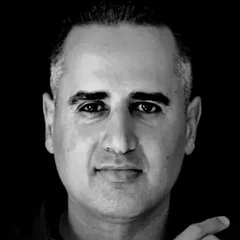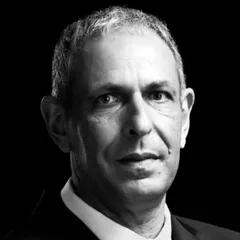
Roy had built projects in Israel for ten years before he decided to go to Romania.
He wasn’t the type to jump into the water without checking the depth. Experience, composure, the confidence of someone who had done this many times and come out fine. When he arrived in Bucharest and spotted a plot that matched his vision, he acted the way he knew well: he bought the land, started on the planning, and then went to the bank to close the financing.
In hindsight, that was the wrong order. But more on that later.
At first the Romanian bank he was negotiating with sounded entirely reasonable. 75% financing of construction costs – that was what had been agreed in principle. Roy built his entire financial plan on that number. He calculated the profitability, the timelines, the break-even point. Everything worked on paper. He went back to Israel, updated his partners, and started marketing to potential buyers. He was optimistic. He had reason to be.
And then, in the middle of the negotiations, the bank changed its position.
No shouting. No official notice. One sentence in a meeting, in a polite business tone, as if it were a small technical detail: only 50% of construction costs. And when Roy pointed to the land, which he had bought out of his own pocket, in cash, before he had even spoken to the bank, he got a quiet explanation: the land doesn’t count in the calculation.
He told me he walked out of the meeting into the street. He stood there for a few minutes. Bucharest’s autumn air is cold and sometimes goes right into your lungs. He did the sums in his head. He realised that the project he had planned no longer existed – and that he had already bought the land.
There was no going back. Only forward.
He started moving. Another bank – similar terms. A second bank – the same answer, worded differently. At that point he turned to a local broker, who promised he knew the right people and that it was a matter of a few weeks.
Four months went by.
The broker took his money. The connections came to nothing. The project stood still: the land sitting there, the partners waiting, potential buyers asking questions he had no good answers to. Every week that passed felt like a week he could never get back.
By then he was no longer optimistic. He was tired and angry, mostly at himself. “I did everything right,” he told me on the phone one evening. “I bought good land, I planned a good project, I worked with professional people. So why am I stuck?”
I didn’t answer him then. It wasn’t the right moment.
In the end he found financing – but mezzanine financing. The expensive kind. The kind you take when there’s no choice, and when you take it, you know the profitability you calculated at the start isn’t there any more. It isn’t a disaster. It isn’t a collapse. But it hurts, because you see exactly how much every month of waiting cost you – not only in money, but in wear and tear.
The project went ahead. And then the war in Ukraine broke out.
Construction costs jumped all at once. Raw materials, labour, logistics – everything got more expensive. Roy sat in front of his spreadsheets and watched the profit he had calculated a year and a half earlier shrink further and further. It didn’t disappear, but it shrank. And sales were slower than planned. Some of the buyers who had shown interest at the start waited too long and dropped out. He had to find new buyers, reset expectations, keep going.
A rollercoaster. That’s what he told me when we met in Bucharest, at a small café near my office, when the project was already in full swing. He ordered an espresso and didn’t touch it. “Ilan, there are days when I’m sure it will work out and turn out brilliantly. And there are days when I get up in the morning and ask myself why I left Israel. But I have no choice. I’m in, and I have to make it happen. There are partners, there are commitments, there are buyers.”
That’s the sentence that stayed with me from that meeting. Not “how much did it cost me” and not “what’s the final profit”. I have no choice – I’m in.
He finished the project. It didn’t collapse. He’s a strong, experienced man and the project went ahead. But when we talked about it afterwards, he asked me a question I think about a lot: “What should I have done differently?”
I answered him honestly: talk to the bank before you buy the land. Not an introductory chat. Not “what are your principles”. Sit across from them with a detailed plan, get in writing what they’re willing to finance and on what terms, and only then sign the purchase.
Local banks abroad don’t deceive anyone. They’re simply not bound by what was said in the introductory, exploratory conversations. What looks like agreement at a first meeting is a starting point – not a basis for a business plan, and not approval to buy land.
A developer who buys land before he has financing approval in writing is building on sand. Even if the land is excellent. Even if the project is brilliant. Even if he has done this for ten years in Israel and everything worked.
Abroad isn’t Israel. And the bank there doesn’t remember the first conversation.
If you’re developers planning a project abroad, before you sign for land, before you start planning, sit down with someone who knows these local banks closely. Not to hear that it’s possible. To know exactly on what terms.
This story first appeared in Ilan Leibovitch's weekly LinkedIn column, "Two International Real Estate Stories a Week", issue of 23.5.2026, in Hebrew.
More stories: Development, building and finance
Have a similar story?
Ilan speaks Hebrew, English and Romanian. Book a half-hour call, or send this story to someone who is about to sign.
This story is general information, not legal, tax or financial advice. Every deal is different; consult professionals before deciding.